
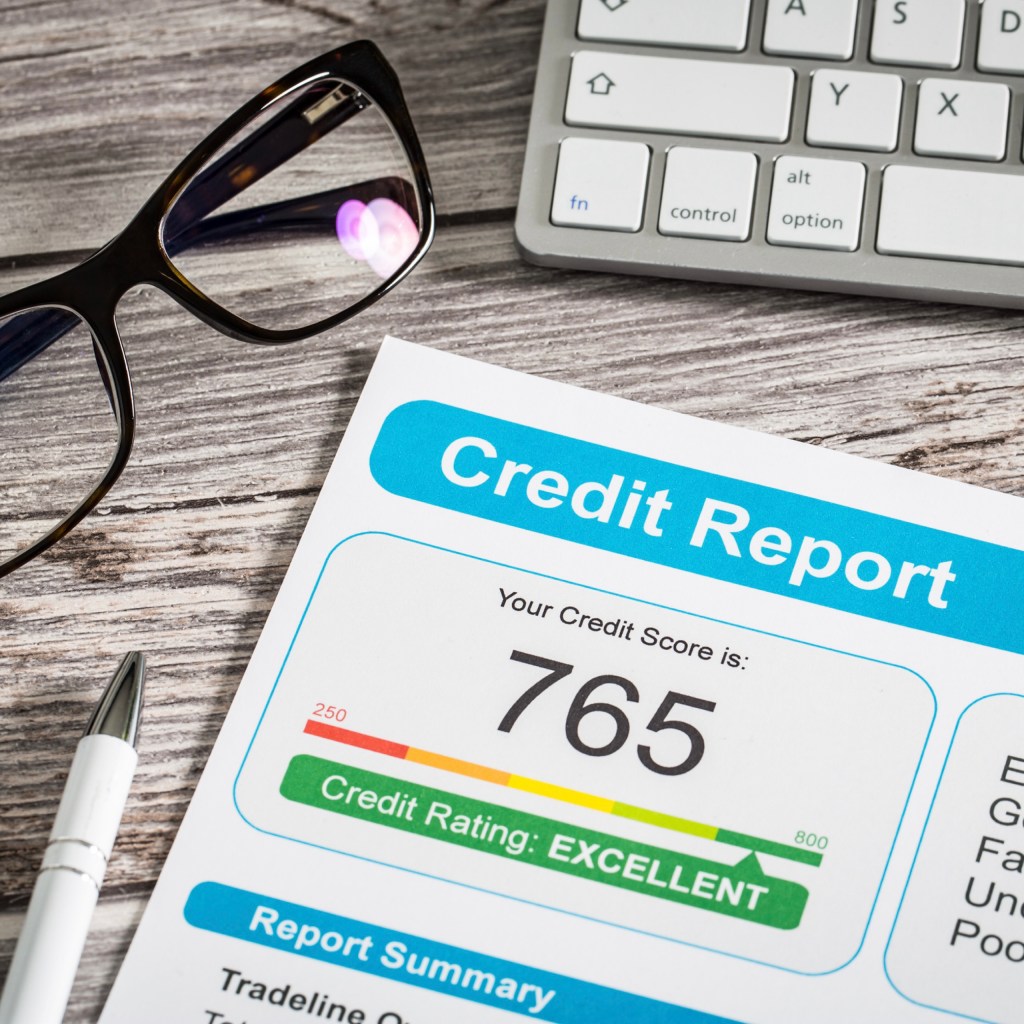
Your credit score – that seemingly magical number that can influence your financial opportunities. From applying for a credit card to renting an apartment, its impact is profound. But what exactly is a credit score, and why does it matter? Let’s dive into the world of credit scores and unlock the secrets to mastering your financial health.
What is a Credit Score?
At its core, a credit score is a numerical representation of your creditworthiness. It reflects your history of borrowing and repaying money, providing lenders and creditors with insight into your financial habits and reliability. Scores typically range from 300 to 850, with higher numbers indicating better creditworthiness to help you qualify for homes for sale in Phoenix AZ.
Factors Affecting Your Credit Score:
Several factors contribute to your credit score, including:
1. Payment History: Timely payments positively impact your score, while late or missed payments can lower it.
2. Credit Utilization: This refers to the amount of credit you’re using compared to your total available credit. Keeping this ratio low can positively impact your score.
3. Length of Credit History: A longer credit history demonstrates your ability to manage credit over time.
4. Types of Credit Accounts: Having a mix of credit types, such as credit cards, loans, and mortgages, can positively impact your score.
5. New Credit Inquiries: Opening multiple new credit accounts in a short period may indicate financial risk and can lower your score.
Why Your Credit Score Matters:
Your credit score plays a crucial role in your financial life. It can influence:
1. Loan Approval: Lenders use your credit score to determine whether to approve your loan application and what interest rate to offer.
2. Renting a Home: Landlords often check credit scores as part of the rental application process to assess your reliability as a tenant.
3. Employment Opportunities: Some employers may review credit scores as part of the hiring process, especially for positions that involve financial responsibilities.
Improving Your Credit Score:
Fortunately, you have the power to improve your credit score over time. Here are some tips:
1. Pay Bills on Time: Make timely payments on all your bills to demonstrate responsible financial behavior.
2. Manage Credit Utilization: Keep your credit card balances low relative to your credit limits.
3. Maintain a Mix of Credit: Having a diverse mix of credit accounts can positively impact your score.
4. Limit New Credit Inquiries: Be cautious about opening multiple new credit accounts within a short timeframe.
Empower Your Financial Future:
Understanding your credit score is the first step toward taking control of your financial future. By monitoring your score regularly and implementing healthy financial habits, you can build a solid foundation for achieving your financial goals and aspirations.
Your credit score is more than just a number – it’s a reflection of your financial habits and behaviors. By understanding the factors that influence your score and taking proactive steps to improve it, you can unlock greater financial opportunities and pave the way toward a brighter financial future. Take charge of your credit score today and empower yourself to achieve your financial dreams.


Leave a Reply