
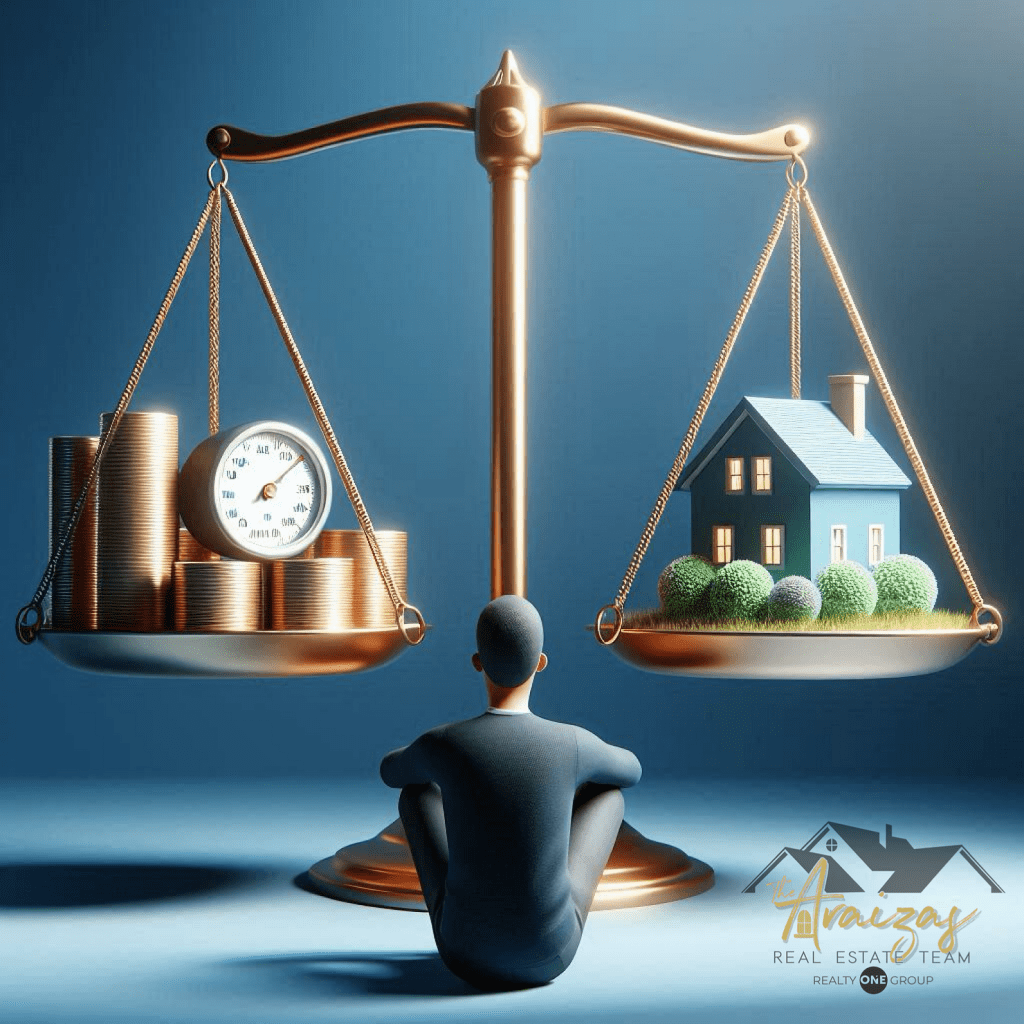
Buying a home can be one of the most significant financial decisions in life, and for many buyers, coming up with the down payment can be a challenge. Down payment assistance (DPA) programs are often marketed as a lifeline for first-time homebuyers or those struggling to save enough. While these programs can offer a way into homeownership, it’s essential to understand that nothing in real estate is ever truly “free.” There are benefits to using down payment assistance, but there are also trade-offs that buyers need to be aware of before jumping in. See Homes For Sale In Phoenix.
The Positives of Down Payment Assistance Programs
1. Easier Entry into Homeownership:
For buyers who lack the funds for a down payment, DPA programs can be a game-changer. They reduce the initial cash outlay, allowing buyers to get into homes sooner rather than waiting years to save up.
2. Various Assistance Options:
Many programs offer flexible options. Some provide grants that don’t need to be repaid, while others offer low-interest loans or deferred payments. These options allow buyers to choose what works best for their financial situation.
3. Potential for No Repayment (in Some Cases):
Certain down payment assistance programs offer grants or forgivable loans. If the buyer stays in the home for a specific period or meets other requirements, they may not need to repay the assistance.
4. Helping Buyers Build Equity:
By getting into a home sooner, buyers can begin building equity earlier. Instead of continuing to pay rent, they are investing in an asset that may appreciate over time.
The Negatives of Down Payment Assistance Programs
1. Higher Interest Rates:
One of the most significant downsides of DPA programs is that they often come with higher mortgage interest rates. Lenders compensate for the risk of lower down payments by charging more interest over the life of the loan. This can lead to paying thousands of dollars more over time.
2. Restrictions and Requirements:
Many down payment assistance programs have strict requirements. For example, they may limit the types of homes you can buy, your income level, or even the area where you can purchase. Some programs require buyers to take homeownership education classes, adding an extra layer of complexity.
3. Possible Repayment:
While some programs are grants, others are structured as second mortgages or loans that need to be repaid. In certain cases, the assistance is only forgivable if the buyer stays in the home for a set number of years. If the buyer sells or moves before that time, they may be required to repay the assistance, sometimes with interest.
4. Higher Loan Costs Over Time:
As we often warn clients, nothing is truly free. Programs that offer down payment help usually get their money back on the back end, either through higher interest rates or other added fees. This means that while the upfront cost is lower, the total cost of homeownership over time can be significantly higher than for buyers who make their own down payment.
5. Potential for Slower Equity Growth:
Higher interest rates and potentially higher loan balances can slow the rate at which you build equity. This could become an issue if you plan to sell your home in a few years or if the market does not appreciate as expected.
Down payment assistance programs can be a helpful tool for buyers who need a boost to get into their first home, but it’s important to go into the process with eyes wide open. While these programs offer undeniable benefits, they often come with trade-offs in the form of higher interest rates and repayment conditions that could end up costing more in the long run. As with any major financial decision, it’s crucial to weigh the pros and cons and consult with an experienced real estate professional to determine if down payment assistance is the right option for you. After all, there’s no such thing as free money in real estate—it’s all about making the best long-term decision for your unique financial situation.

 Welcome to The Araizas Blog
Leave a comment