
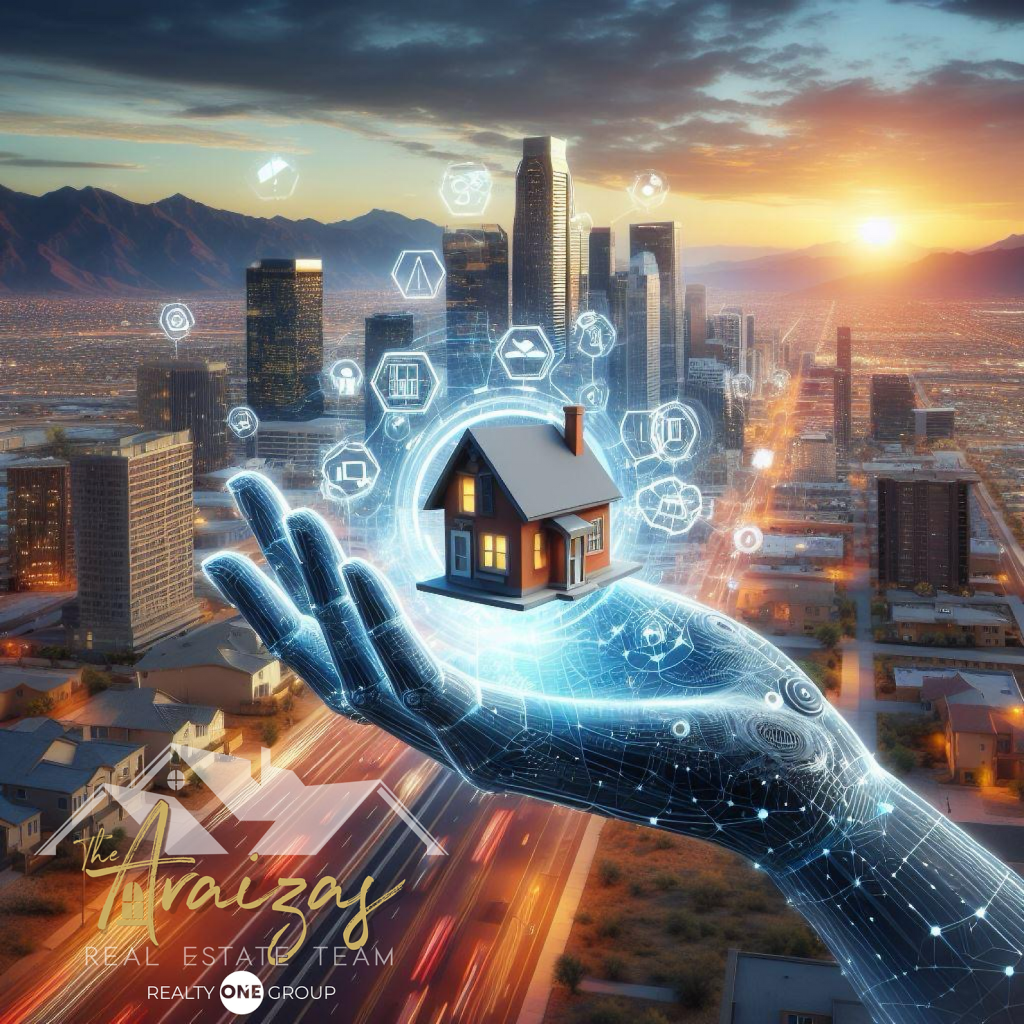
The real estate industry, traditionally slow to embrace change, is undergoing a seismic shift due to technological advancements. From smart homes to virtual reality, technology is transforming how properties are bought, sold, and managed. Here are the key trends to watch:
1. Smart Homes and IoT Integration
Smart home technology, driven by the Internet of Things (IoT), is becoming a standard feature in new real estate developments. Homeowners can now control lighting, temperature, security systems, and appliances from their smartphones. This integration not only adds convenience but also enhances energy efficiency and security, making properties more attractive to buyers.
2. Virtual and Augmented Reality
Virtual reality (VR) and augmented reality (AR) are revolutionizing property viewings. Prospective buyers can take immersive virtual tours of homes from anywhere in the world, allowing them to explore properties in detail without setting foot on site. AR can enhance physical tours by overlaying digital information, such as renovation possibilities or furniture placement, onto the real-world environment.
3. Artificial Intelligence and Big Data
Artificial intelligence (AI) and big data analytics are providing real estate professionals with deeper insights into market trends and buyer preferences. AI-driven algorithms can predict property values, identify emerging market opportunities, and streamline the buying process by matching buyers with properties that meet their criteria. Big data helps in making informed decisions by analyzing historical data, current market conditions, and future projections.
4. Blockchain and Smart Contracts
Blockchain technology is set to disrupt real estate transactions by offering greater transparency, security, and efficiency. Smart contracts, which are self-executing contracts with the terms directly written into code, can automate transactions, minimizing the risk of fraud. This technology can also simplify title management and property transfers, making the process faster and more cost-effective.
5. Online Marketplaces and Digital Platforms
The rise of online real estate marketplaces and digital platforms has democratized property listings, making it easier for buyers and sellers to connect directly. Websites like Zillow, Redfin, and Realtor.com offer comprehensive listings, market analyses, and virtual tours, enabling users to make informed decisions. These platforms are also integrating AI and machine learning to provide personalized property recommendations.
6. Remote Work and Changing Demand
The COVID-19 pandemic has accelerated the trend towards remote work, leading to shifts in real estate demand. With more people working from home, there is an increased desire for properties that offer dedicated office spaces, high-speed internet, and proximity to nature. This shift is influencing market dynamics, with suburban and rural areas experiencing a surge in interest compared to urban centers.
7. Sustainable and Green Building Technologies
Sustainability is a growing concern for both buyers and developers. Advances in green building technologies, such as energy-efficient HVAC systems, solar panels, and sustainable materials, are becoming essential components of new real estate projects. Properties that adhere to green standards are not only environmentally friendly but also tend to have lower operating costs and higher resale values.
8. 3D Printing and Modular Construction
Innovations in construction technology, particularly 3D printing and modular construction, are poised to change how homes are built. 3D printing can create customized building components quickly and at a lower cost, while modular construction allows for parts of a building to be manufactured off-site and assembled on-site. These methods can significantly reduce construction time and costs, making housing more affordable.
The impact of technology on real estate is profound and multifaceted. As these trends continue to evolve, they will redefine how we buy, sell, and interact with properties. For real estate professionals and investors, staying ahead of these technological advancements is crucial for remaining competitive in this rapidly changing landscape. Whether you’re a buyer, seller, or industry insider, keeping an eye on these trends will help you navigate the future of real estate with confidence.

 Welcome to The Araizas Blog
Leave a comment